Epitaph 1997
Overview
Epitaph 1997 is an Action RPG built in Unity, drawn from Chinese Taoist exorcism. It blends Eastern horror with spell-craft combat. The project was highlighted in the NYU Game Center 2022 end-of-year showcase.
I led level design and producing, shaping a 2.5D world where ritual, material, and memory power the player's arsenal. Every spell is a recipe; every room is a puzzle dressed as a haunting.
Contributions
- Project management: coordinated the design team to keep development cohesive.
- Designed the spell-craft combat system, balancing challenge and player agency.
- Crafted 2.5D levels with intuitive navigation through puzzles and dark rooms.
- Balanced narrative & gameplay: separated investigation from combat, expanded tutorials.
Spell-Craft Combat
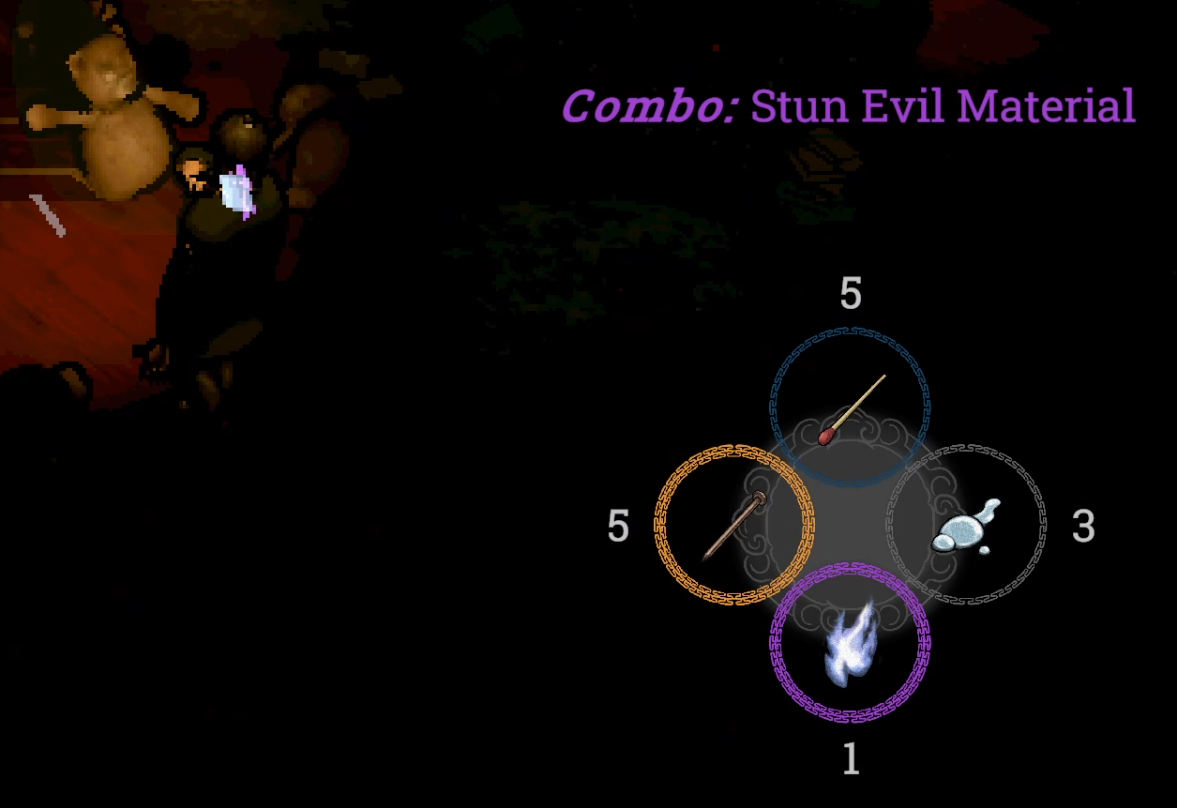
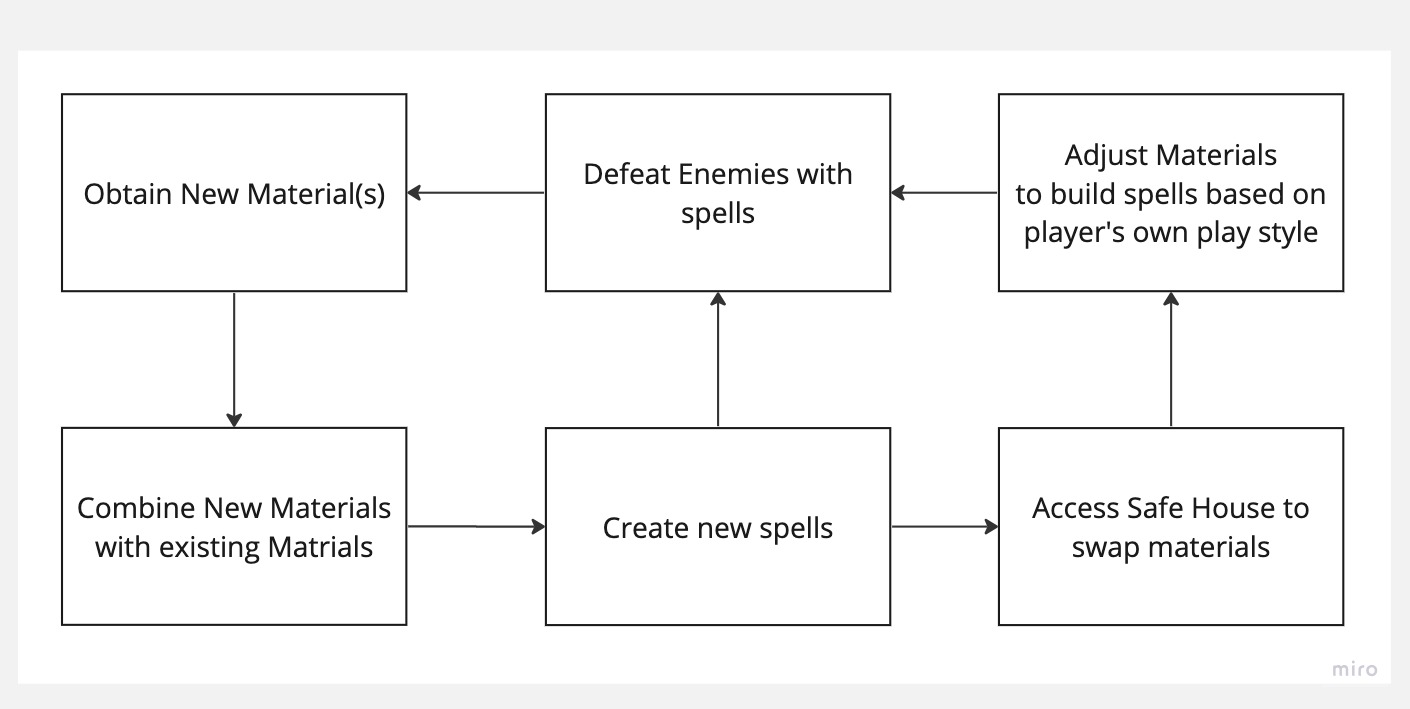
Concept · early spell sketches
Concept
Inspired by Taoist ritual, specifically the Wuxing (the Five Elements), turning a traditional practice into dynamic gameplay. You don't buy spells. You assemble them.
Materials & spells
Standard materials cover basic functions and usually need combining. Ghost-dropped materials are powerful on their own, each with a unique advantage.
Players gather materials from levels or defeated enemies, then combine one or two to craft spells with distinct effects.
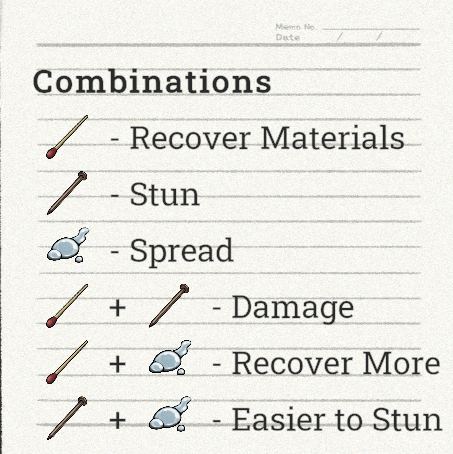
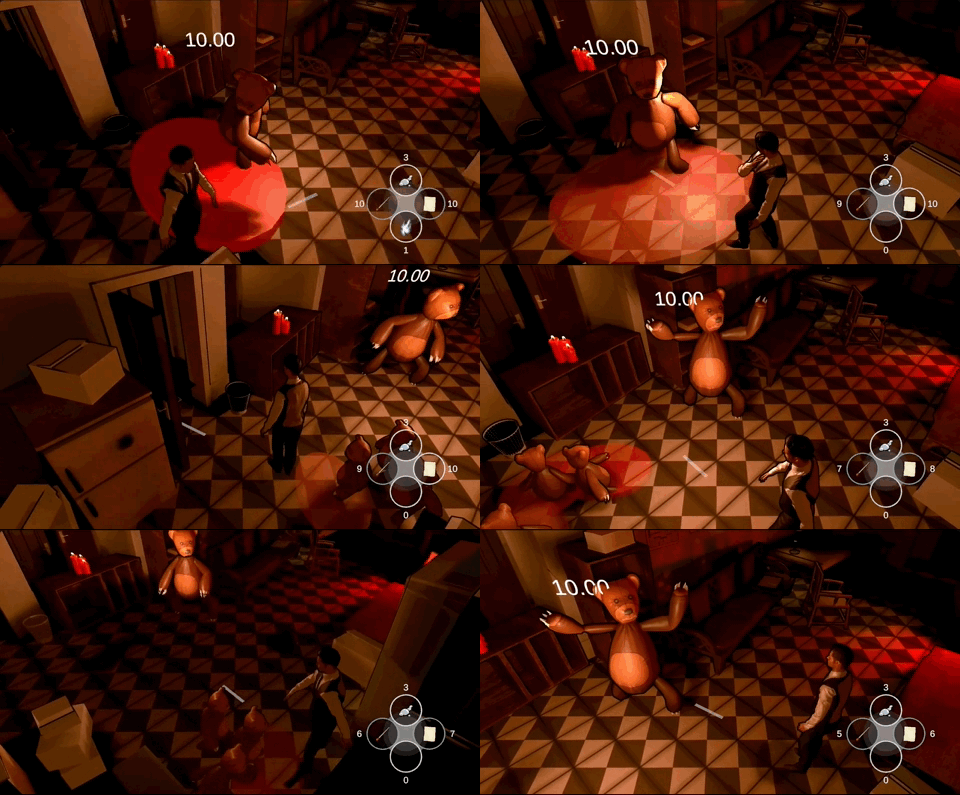
Crafting · live combat
Examples
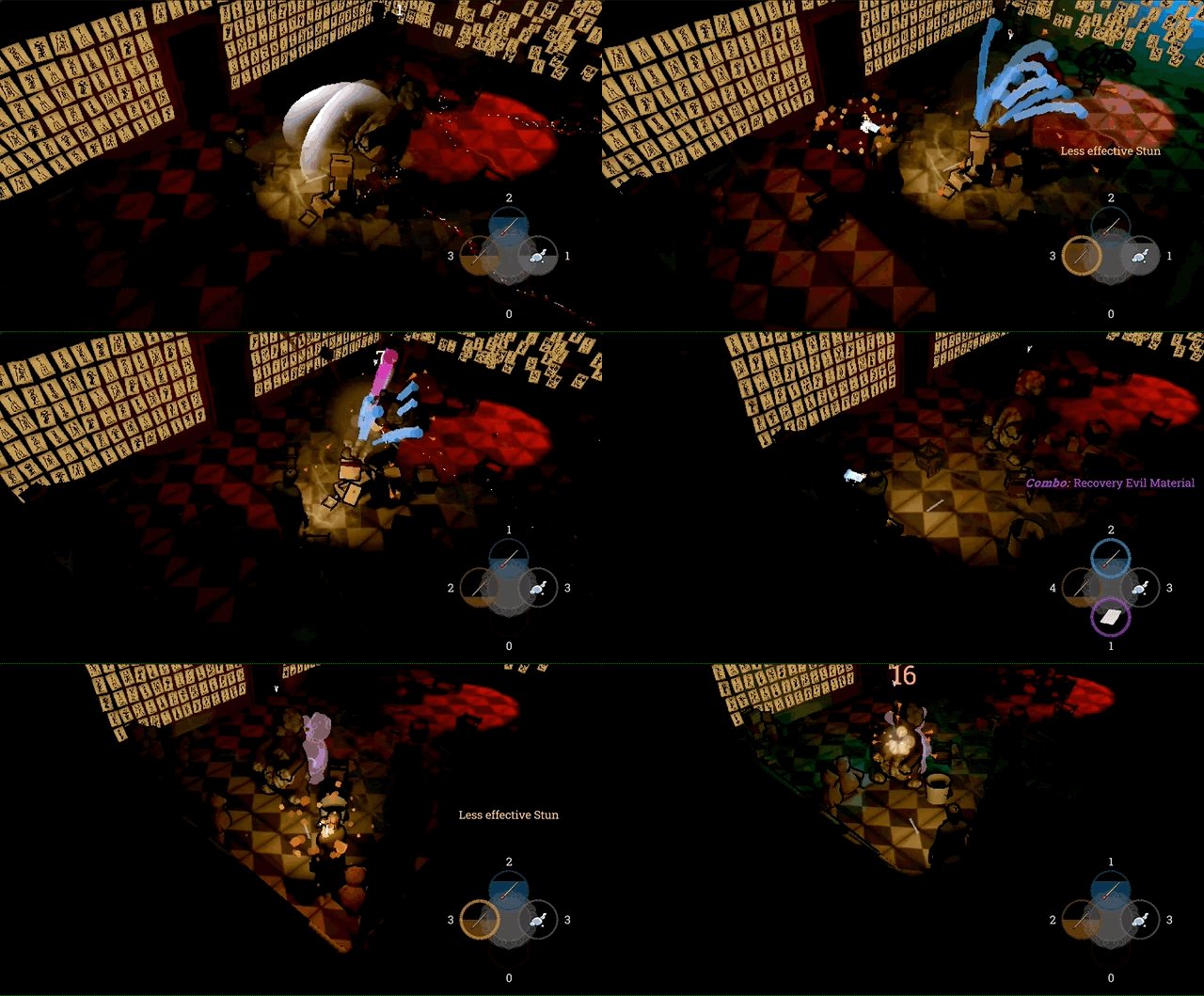
Copper nail stuns enemies. Matchstick gathers materials. Copper nail + Matchstick makes a damaging offensive spell.
Core loop
Collection: gather materials from the environment and fallen ghosts. Experimentation: combine ingredients to discover new spells. Execution: cast crafted spells to defeat enemies and gather more resources.
Four Iterations
First build (top) · Final build (bottom)
What changed
Enhanced material combinations improved clarity so players could craft with intent. Automatic pickup means ghost-dropped materials are now collected on contact, streamlining resource management.
Auto-aim improves combat precision and reduces frustration. Balanced movement cut player speed to discourage constant escapes and moderated enemy pace to give players time to strategize.
Level Evolution
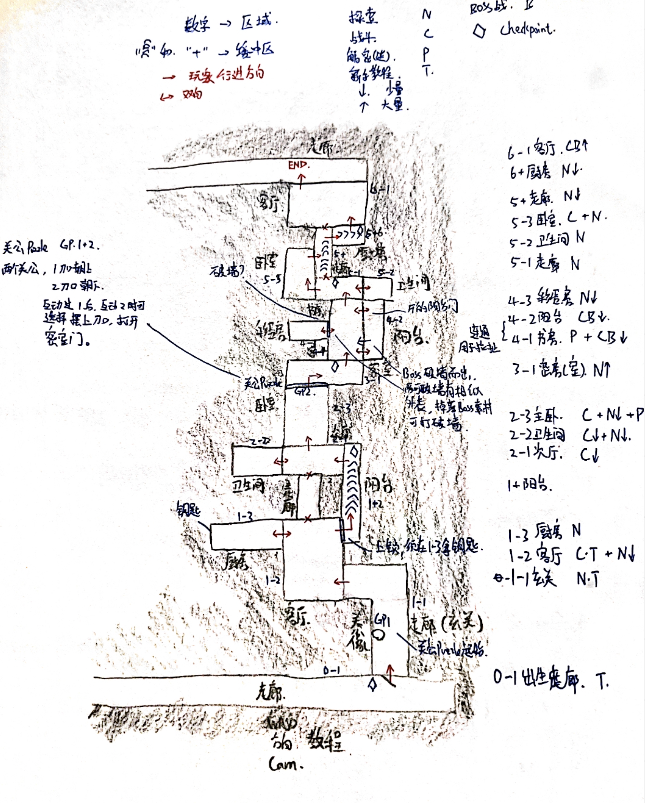
Initial layout, linear progression
Initial
Began with a linear layout, focusing on straightforward progression for prototyping. It read clearly but stayed shallow on exploration and player agency.
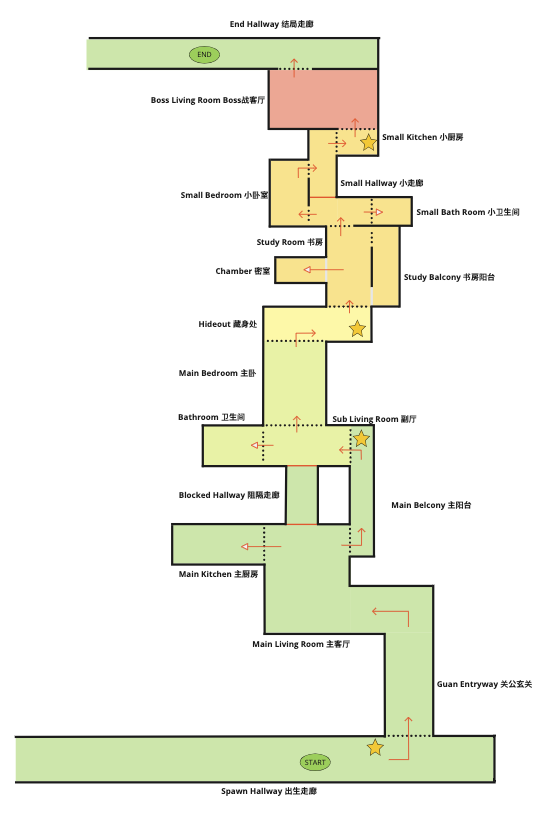
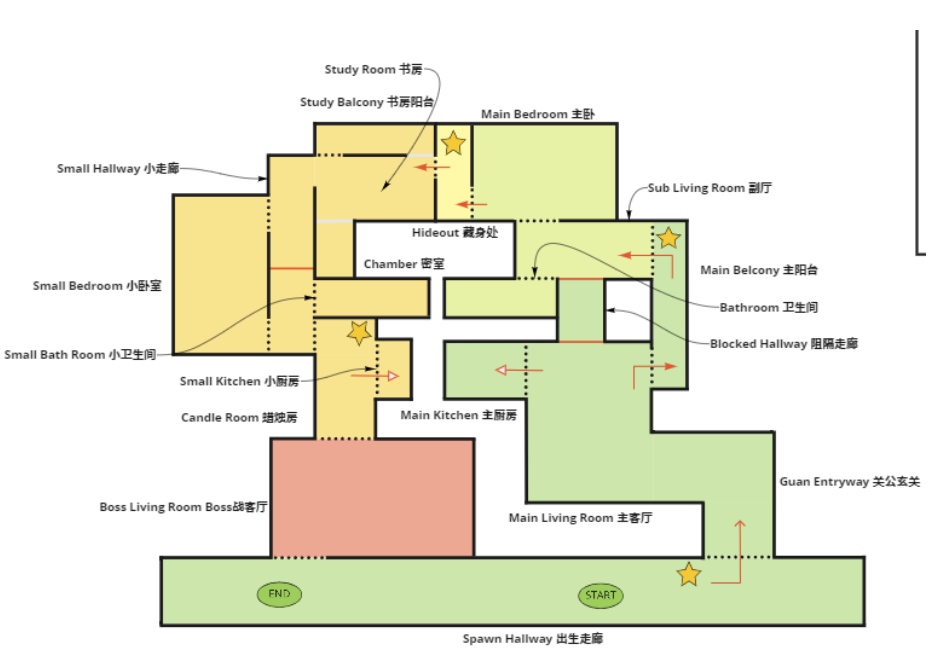
Circular · loops and connections
Iterated
Transitioned into a basic circular layout, introducing loops and connections to support navigation and replayability. Early attempts at encouraging dynamic routes.
Final implementation
Final
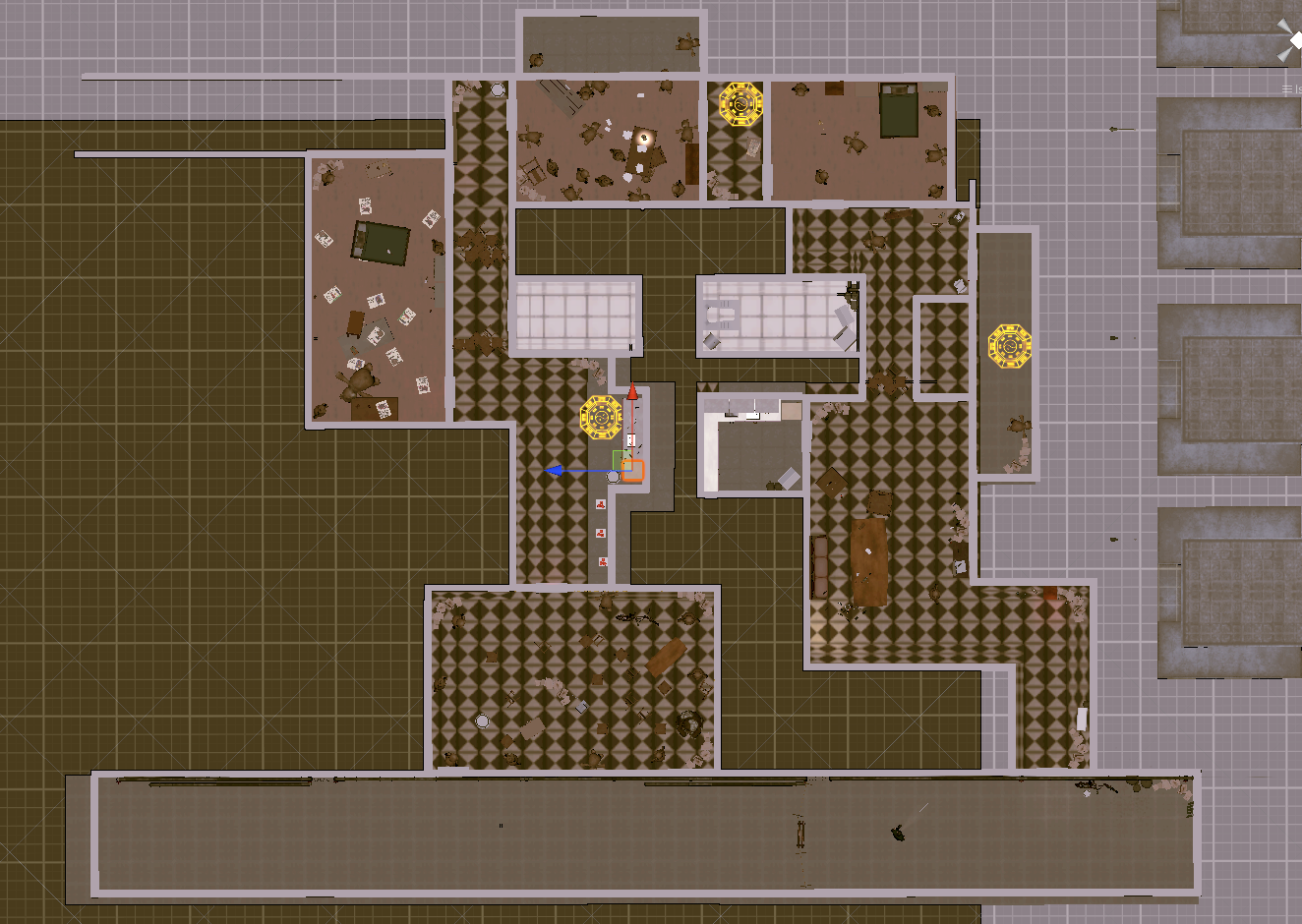
Refined the circular layout with logical connections and distinct zones for puzzles, combat, and exploration. Improved flow and introduced multiple pathways for greater player freedom.
Added environmental storytelling, checkpoints, and intuitive lighting cues that guide players through the level.
Combat & Narrative
Tutorial · boss fight
The problem
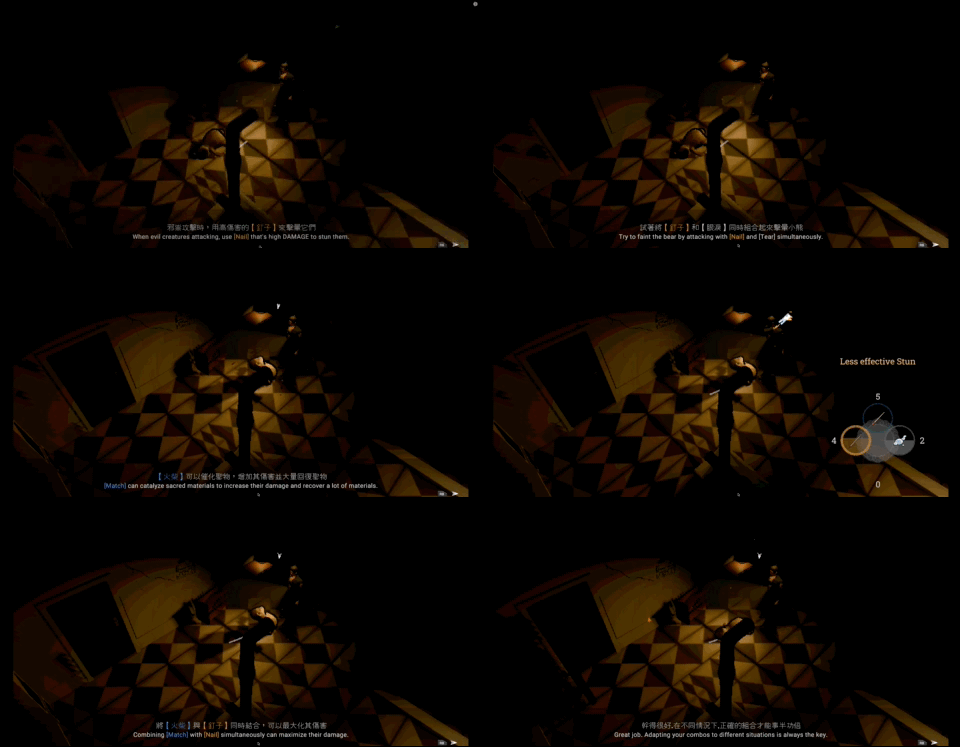
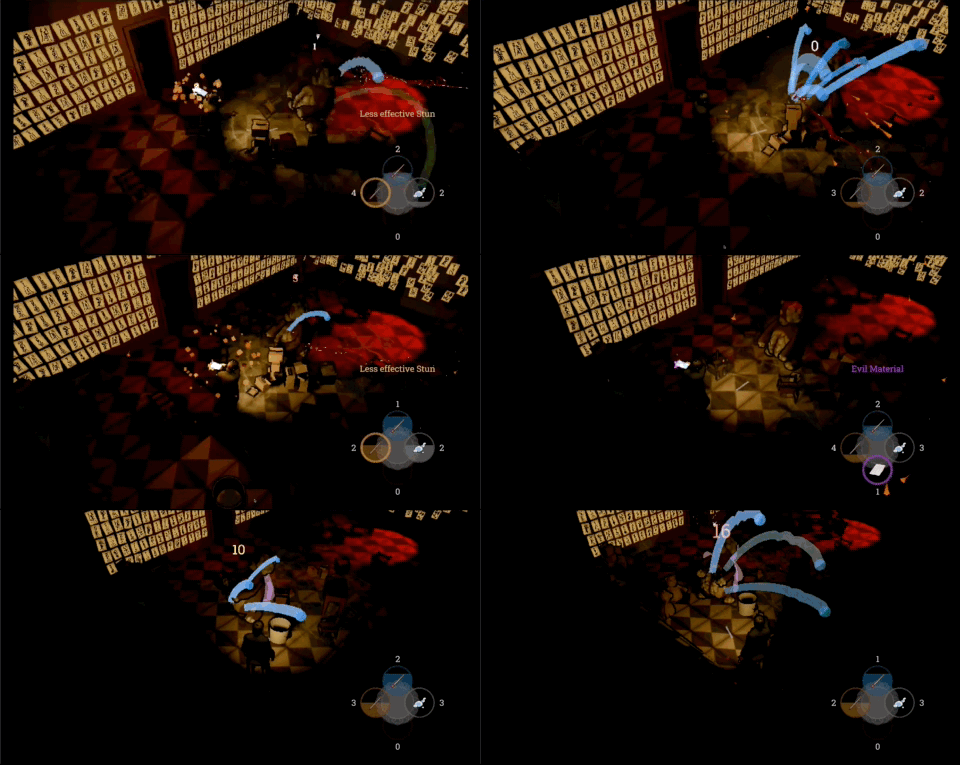
Players found the combat engaging, but its complexity overwhelmed them in a single session, especially under the pressure of the horror ambience. We fixed it with pacing instead of cutting content.
Key adjustments
Gradual introduction of mechanics with repeated reinforcement. Expanded tutorials for clearer combat understanding. Streamlined spell-craft for quicker access during combat.
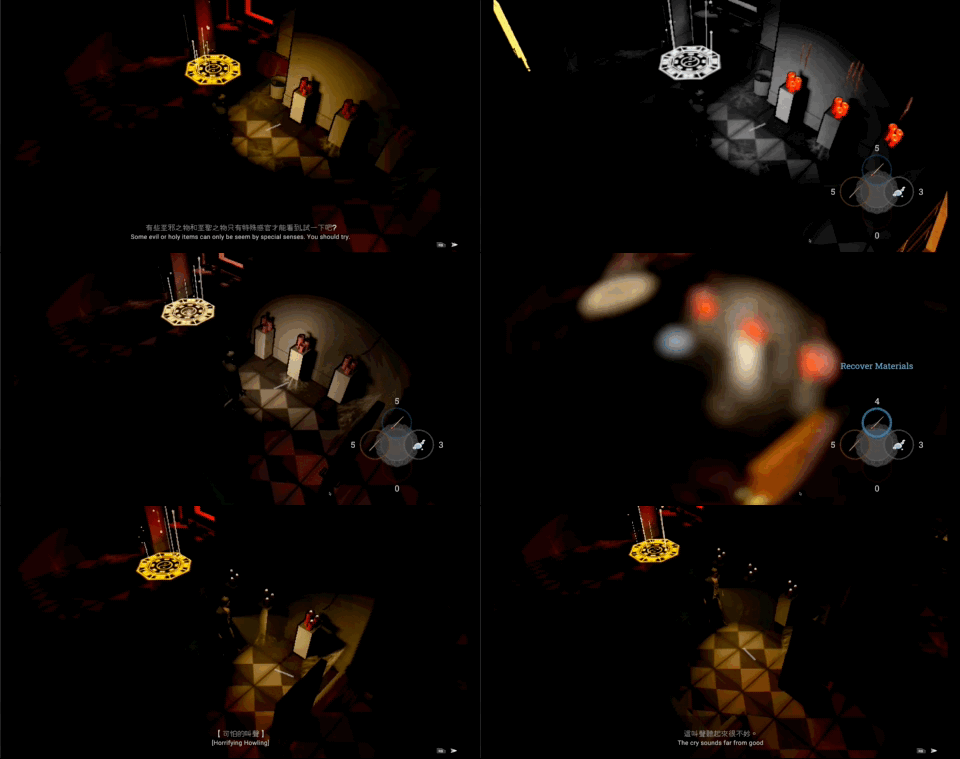
Isolated narrative experience
Separating layers
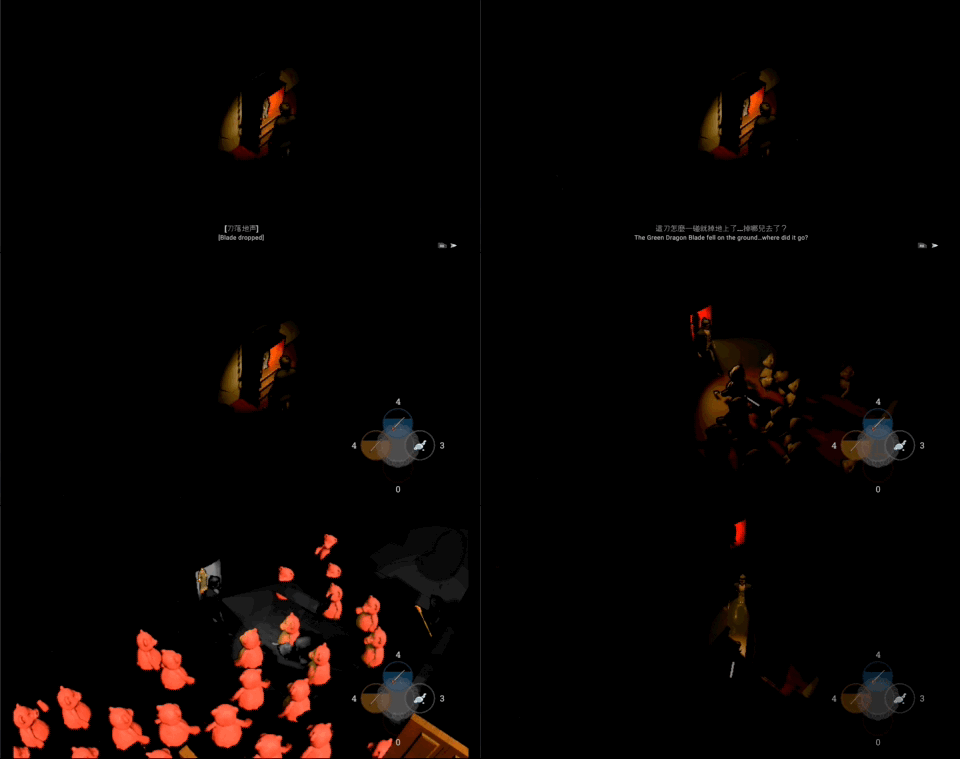
Separated combat and investigation to reduce cognitive load. We kept the key narrative beats, like investigating Lord Guan's Knife, so the story still drives player engagement without overwhelming them.
Player Perspective
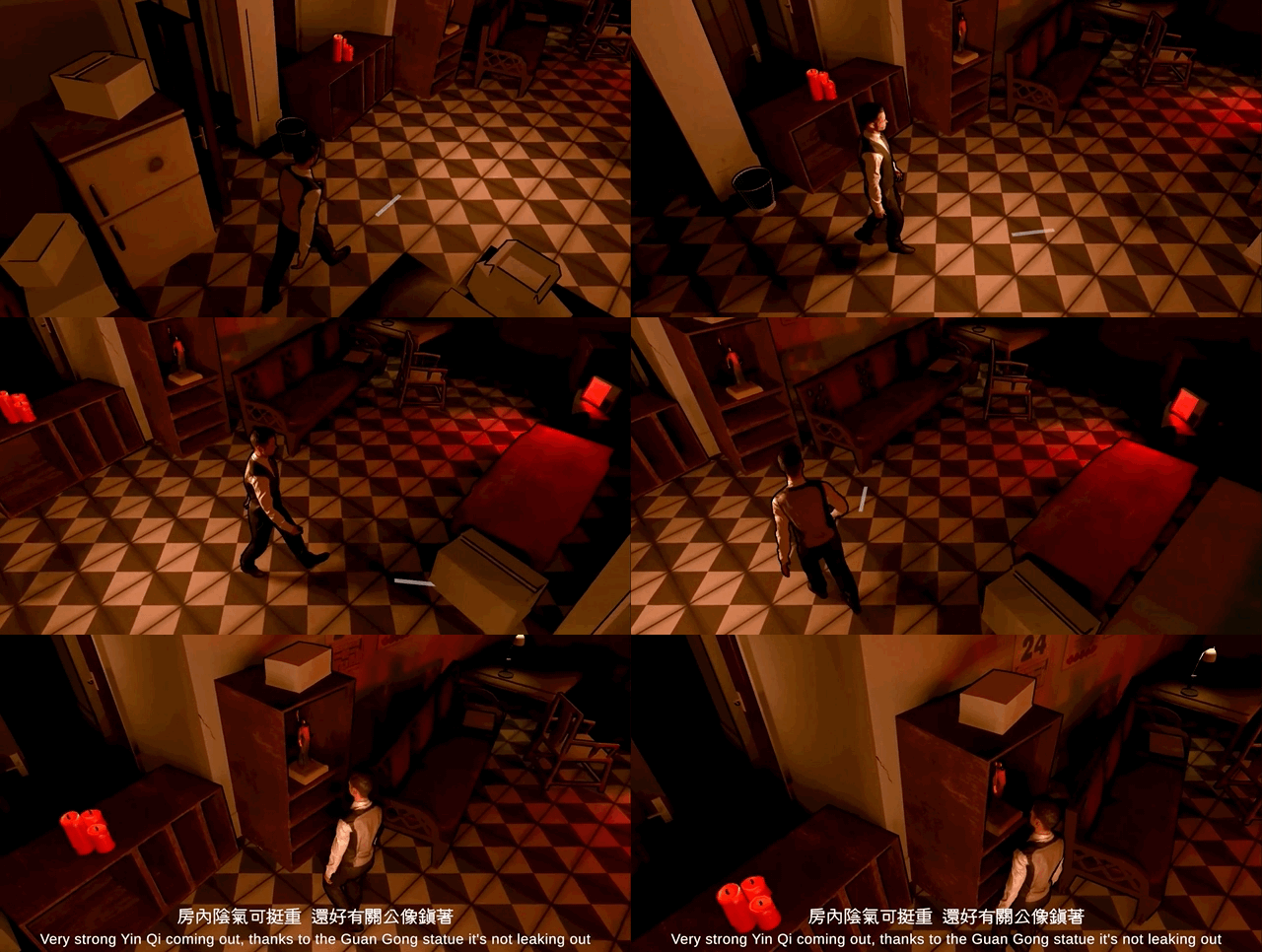
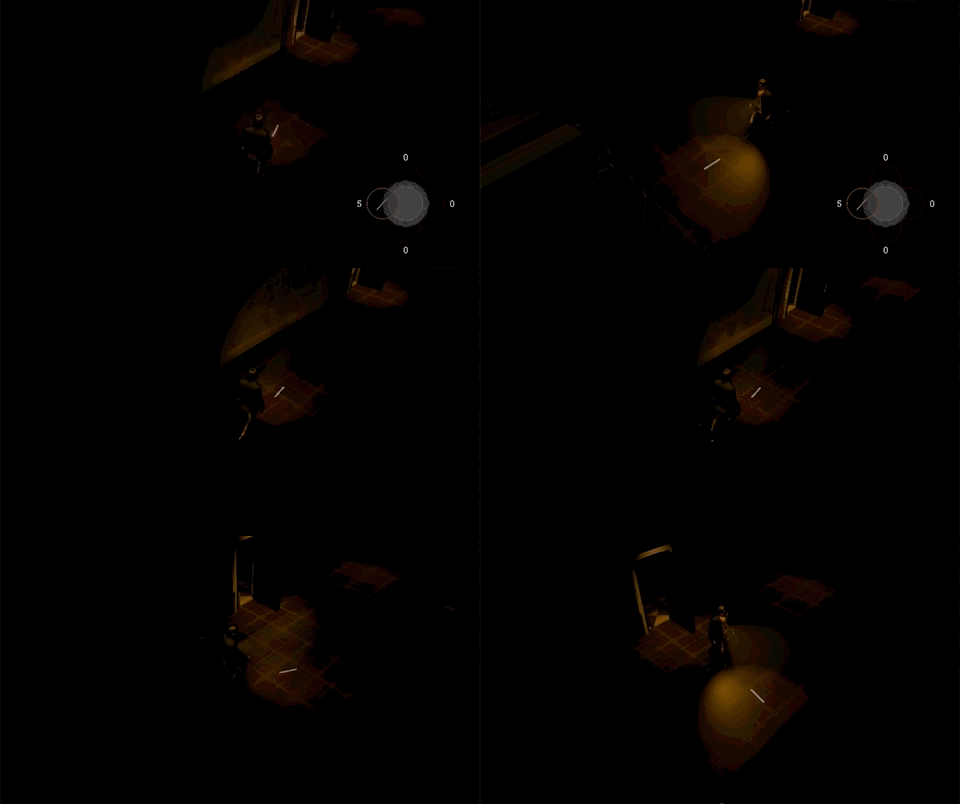
First build (top) · Final build (bottom)
A wider eye
In later builds we adopted a more isometric camera. The wider visual range makes environmental puzzles and enemy encounters easier to read. Less squinting, more strategy.
Narrative System
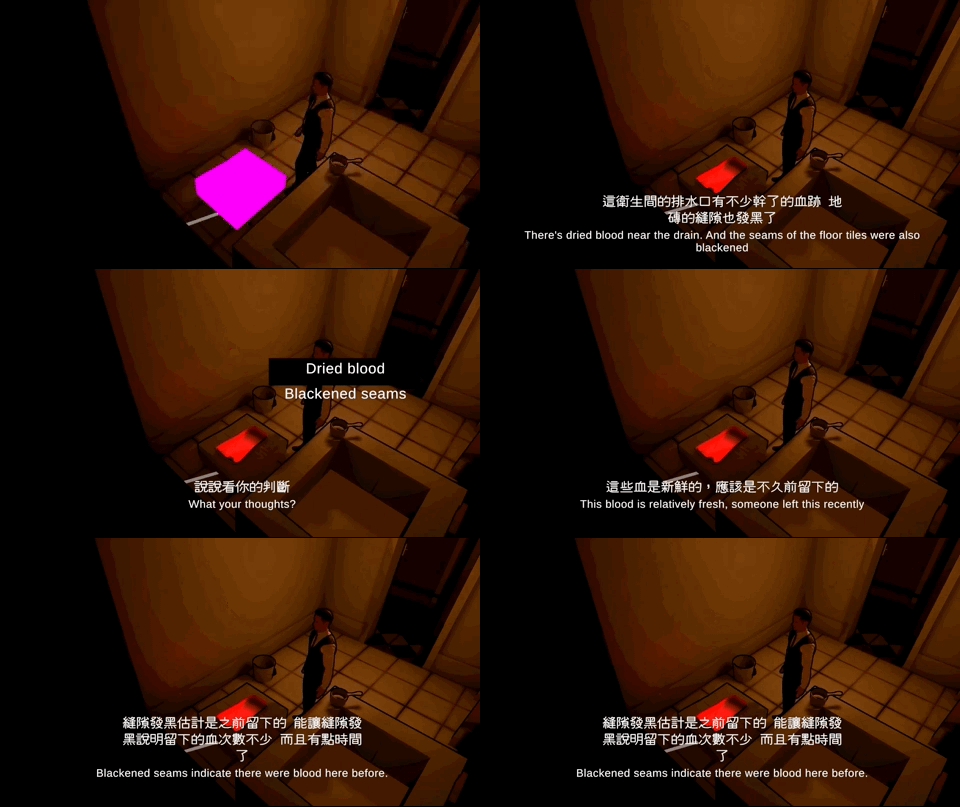
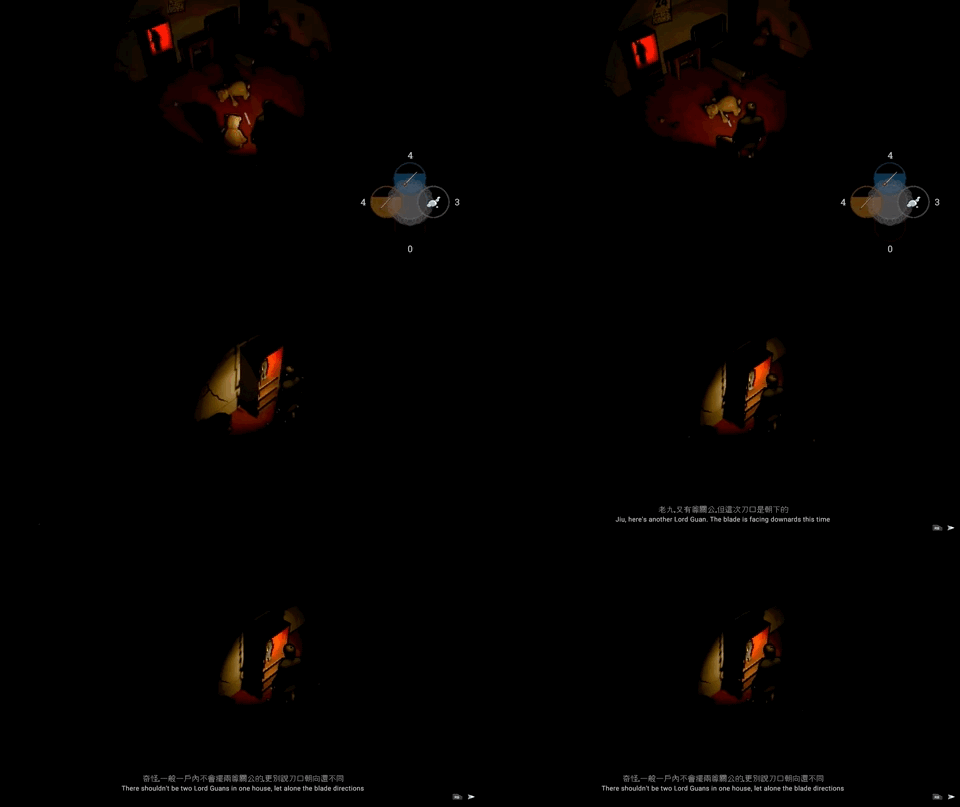
Removed dialogue (top) · Police Sense (bottom)
Cut and replace
Removed dialogue selection. It didn't fit the vertical slice format and dragged pacing. Introduced Police Sense as a more intuitive way of exploring the environment and surfacing clues.