VECT0R · LD
Overview
An arena built for source-engine movement: bunny-hops, surfs, and air-strafes as first-class traversal. The layout rewards verticality and punishes idle centers, tuned across five blockout passes to keep fights brief, legible, and spatially symmetrical.
Contributions
- Arena layout. Five blockout iterations to tune scale, sightlines, and center pressure.
- Movement-first traversal. Verticality, ramps, and no sharp corners to preserve speed.
- Lighting language. Color-coded zones for spawn, lower level, and the central arena.
Initial Guidelines
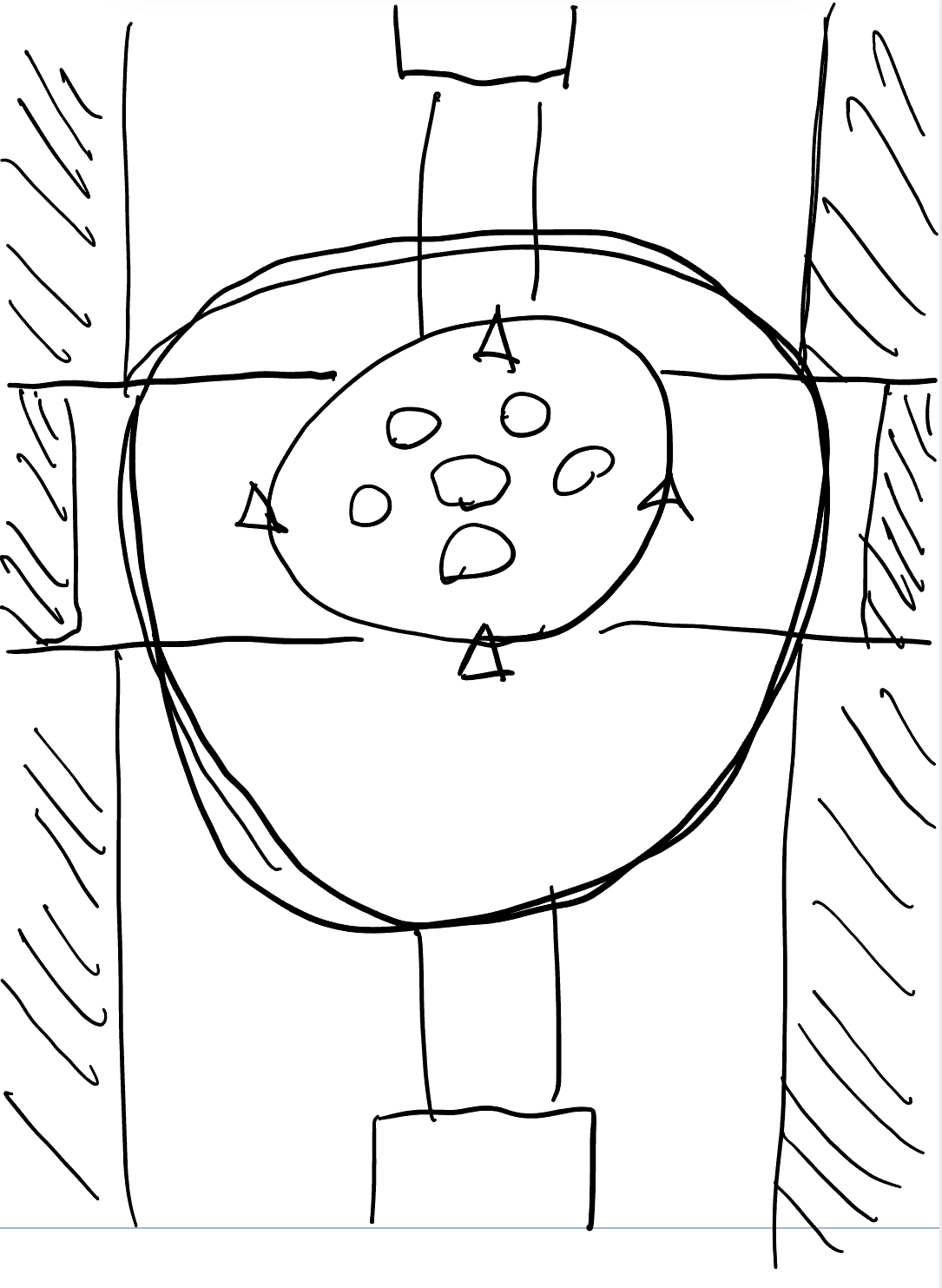
Early arena sketch
Four rules for the arena
Before the first blockout, I locked a short list of constraints that the level had to serve. Movement came first, and every geometry decision had to read against these rules.
- Ample vertical spaces. Multiple ways to move up.
- No sharp corners. Accommodates high movement speeds.
- Symmetrical maps. Balanced, competitive play.
- Edges that punish. Knockback and jumps can send players off.
Design Iterations
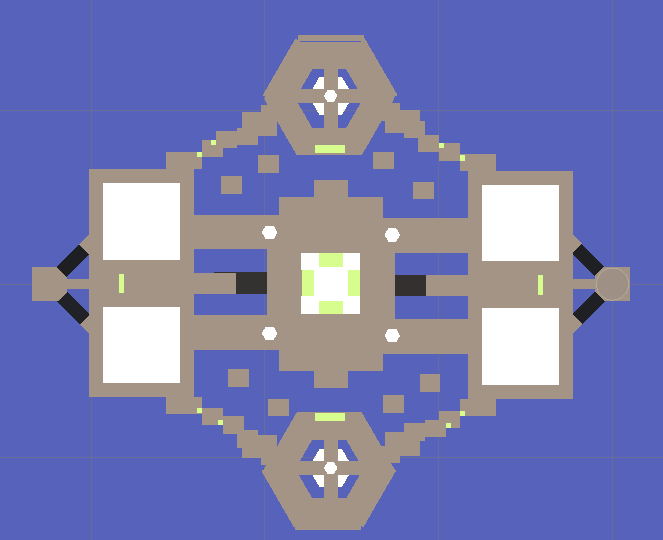
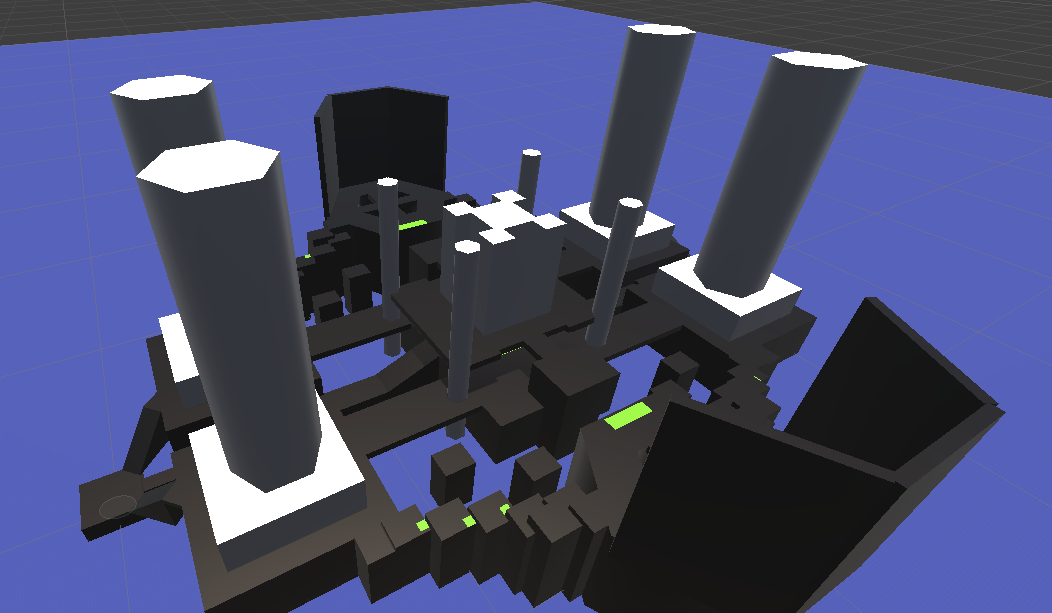
Blockout 01 · top view and 3D
01 · First blockout
Exceeded the optimal size for a 2v2. Corridors were too long, and first contact took too much dead time. Sightlines dominated over movement.
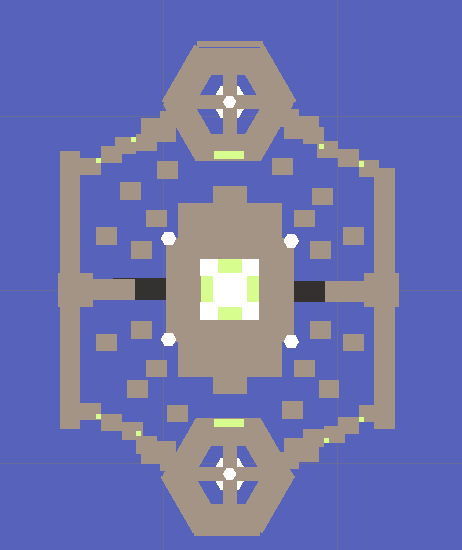
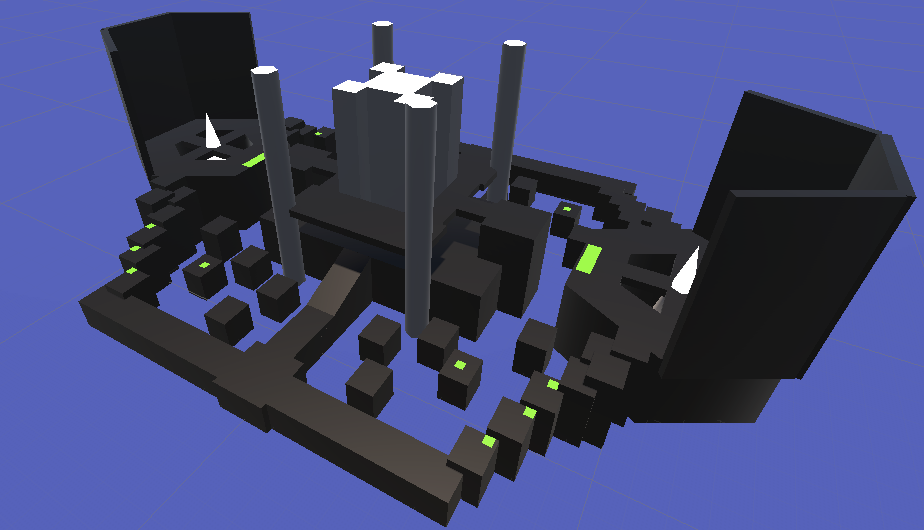
Blockout 02, reduced scale
02 · Second blockout
Scale came down, but the geometry pulled players toward the center by default, so the flanks went unused. Needed a reason to leave the middle.
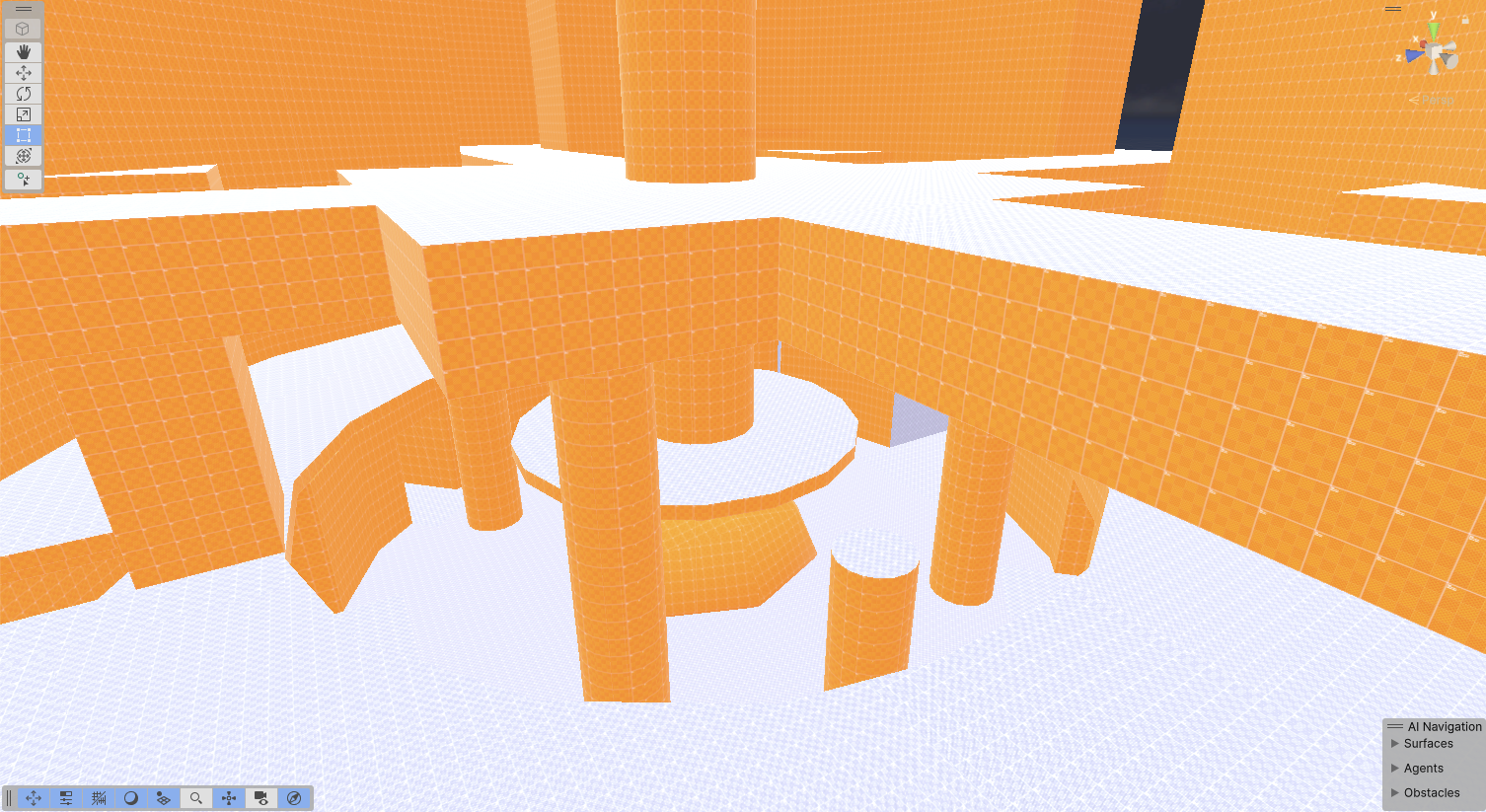
Blockout 03, metrics-driven alpha
03 · Metrics & alpha
Introduced blockout metrics: standard cover heights, ramp angles, and corridor widths. With one baseline, every pass could be compared directly. Spatial flow tightened up fast.
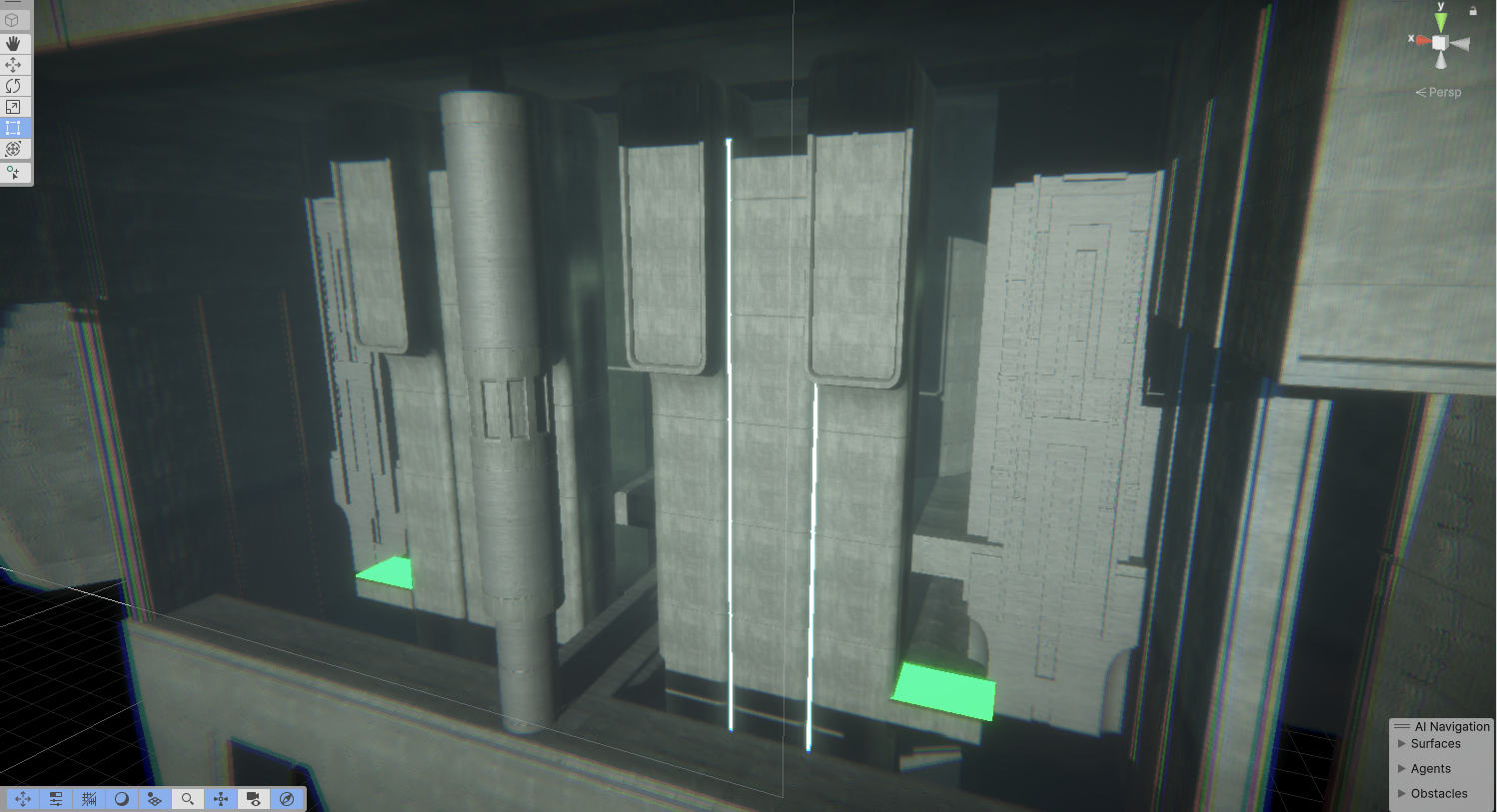
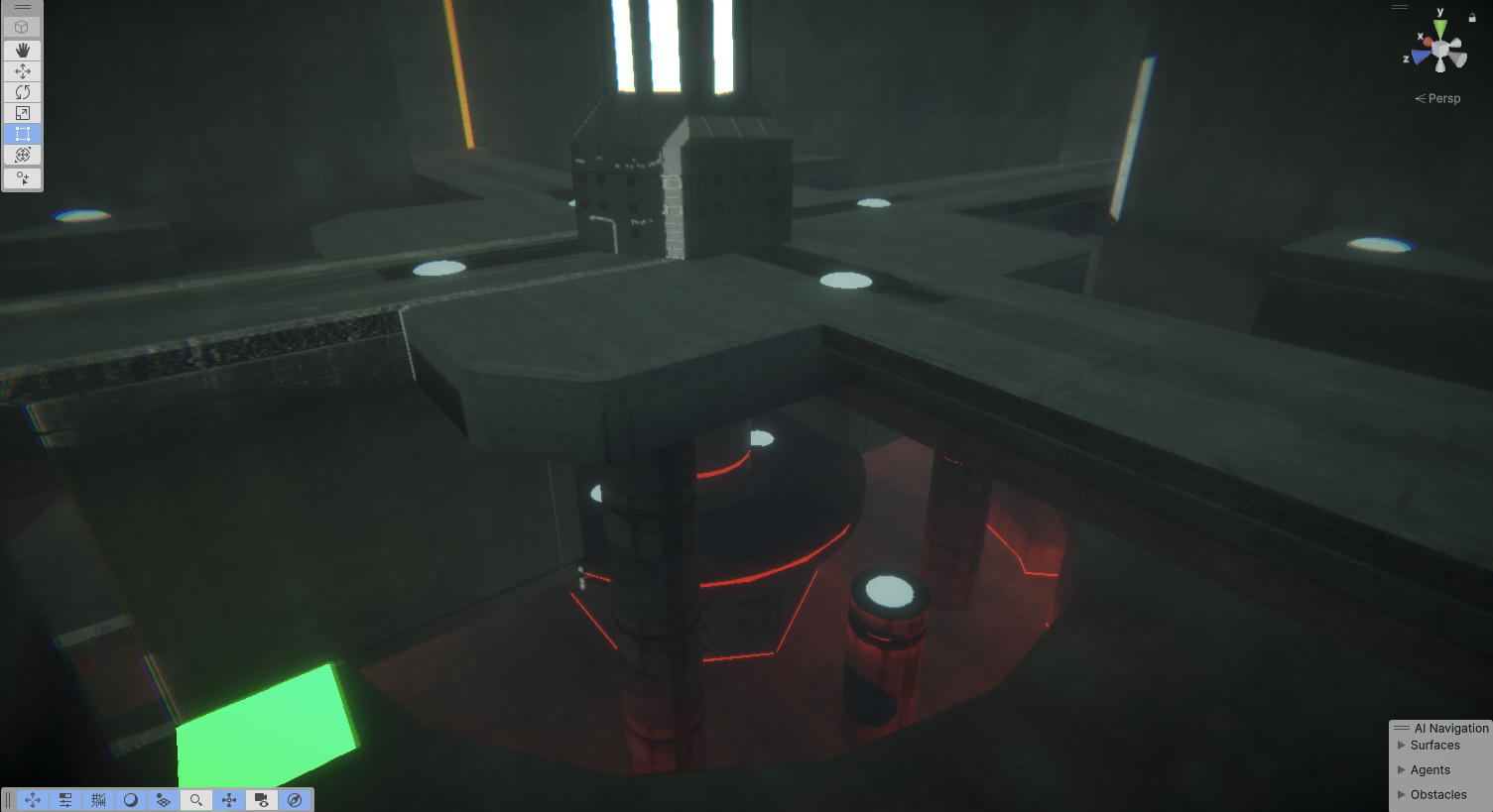
Beta, brutalist concrete pass
04 · Beta & final
Adopted a brutalist concrete style. Heavy masses frame movement lines and make the map read at a glance. The player always knows where up is, and which wall to wall-ride.
Lighting Rules
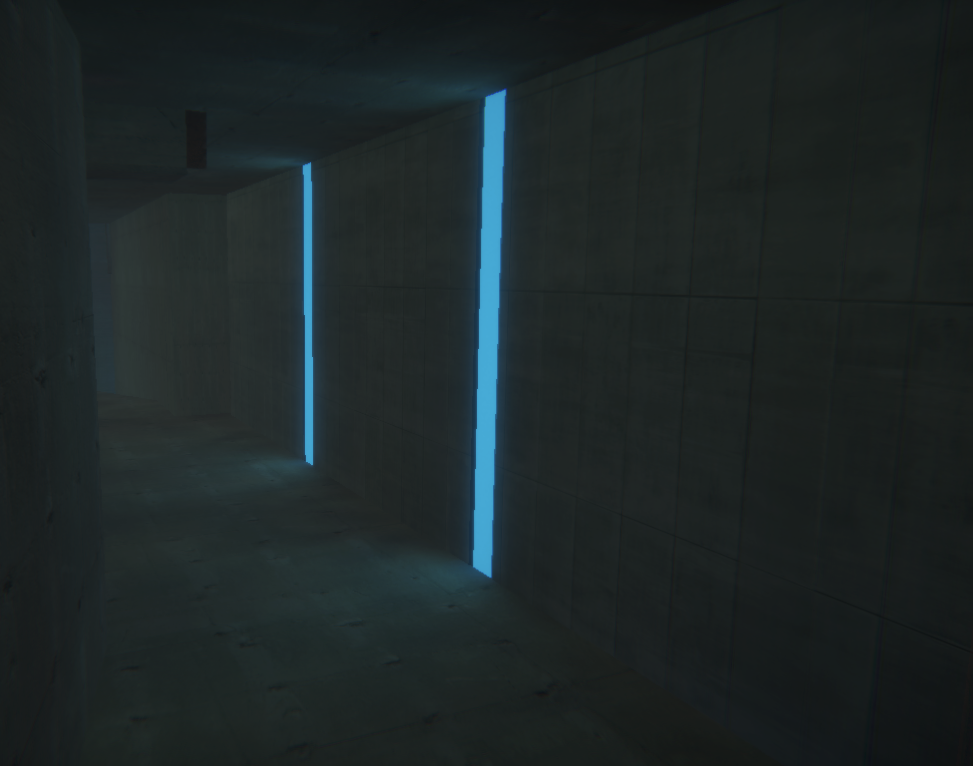
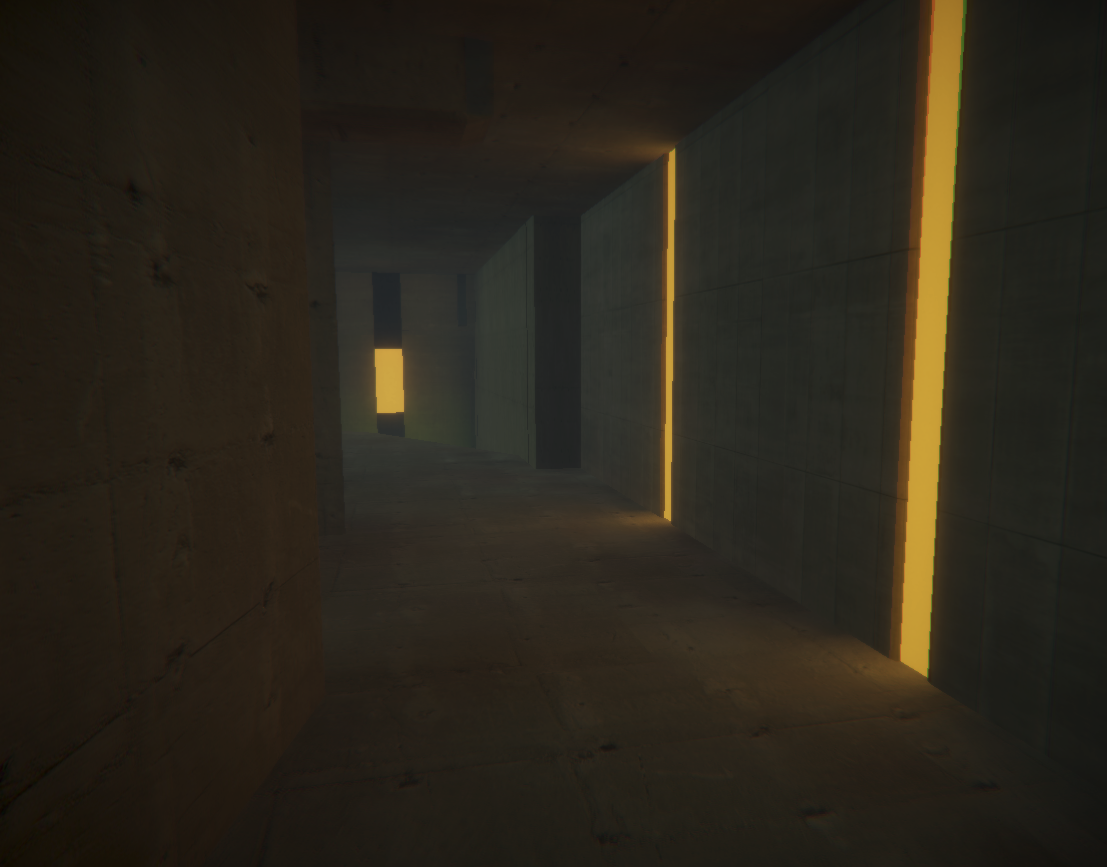
Blue and orange team spawns
Spawns read instantly
Each team spawn is lit in its signature color. No text, no HUD. A player dropped in mid-match can locate themselves by wavelength alone.
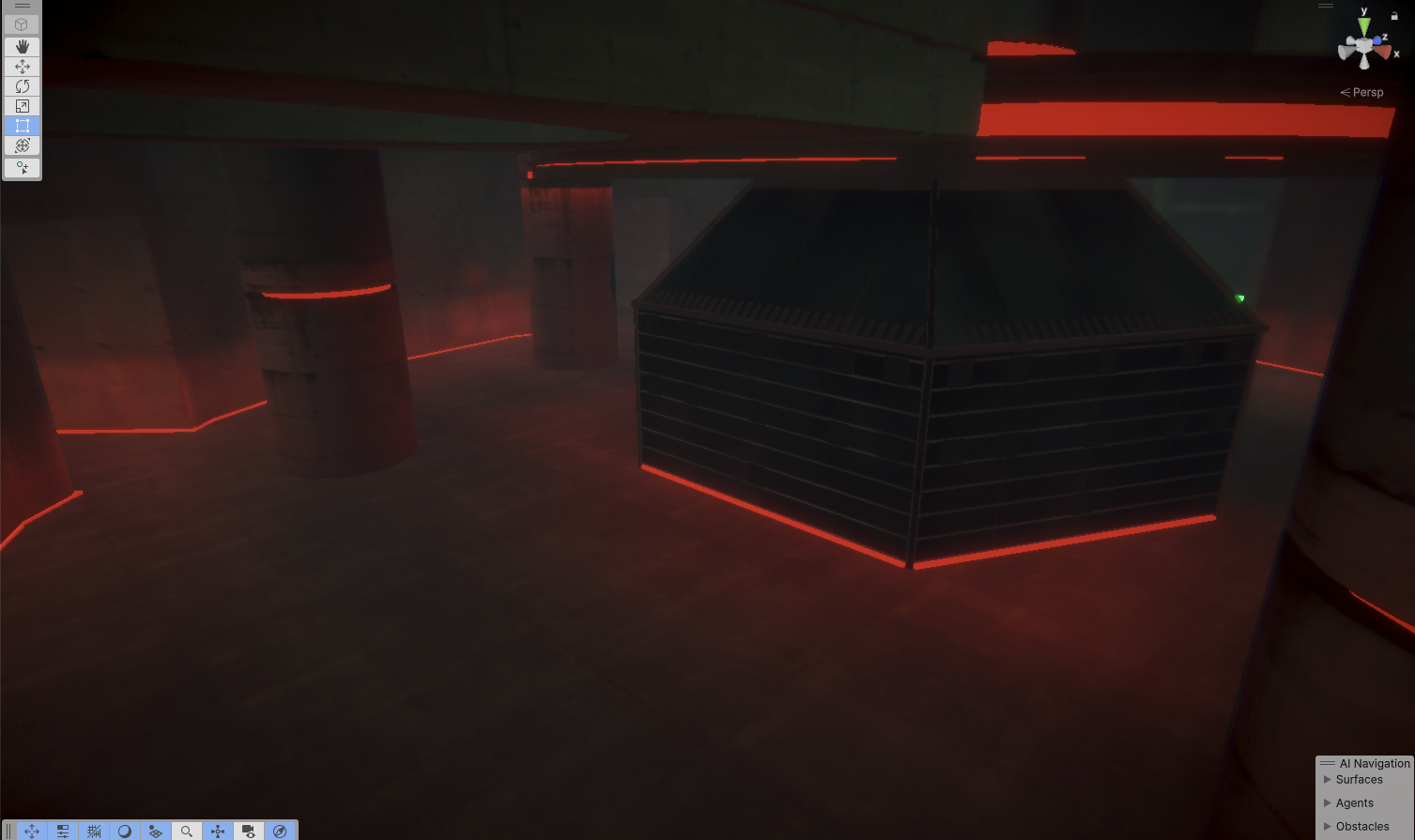
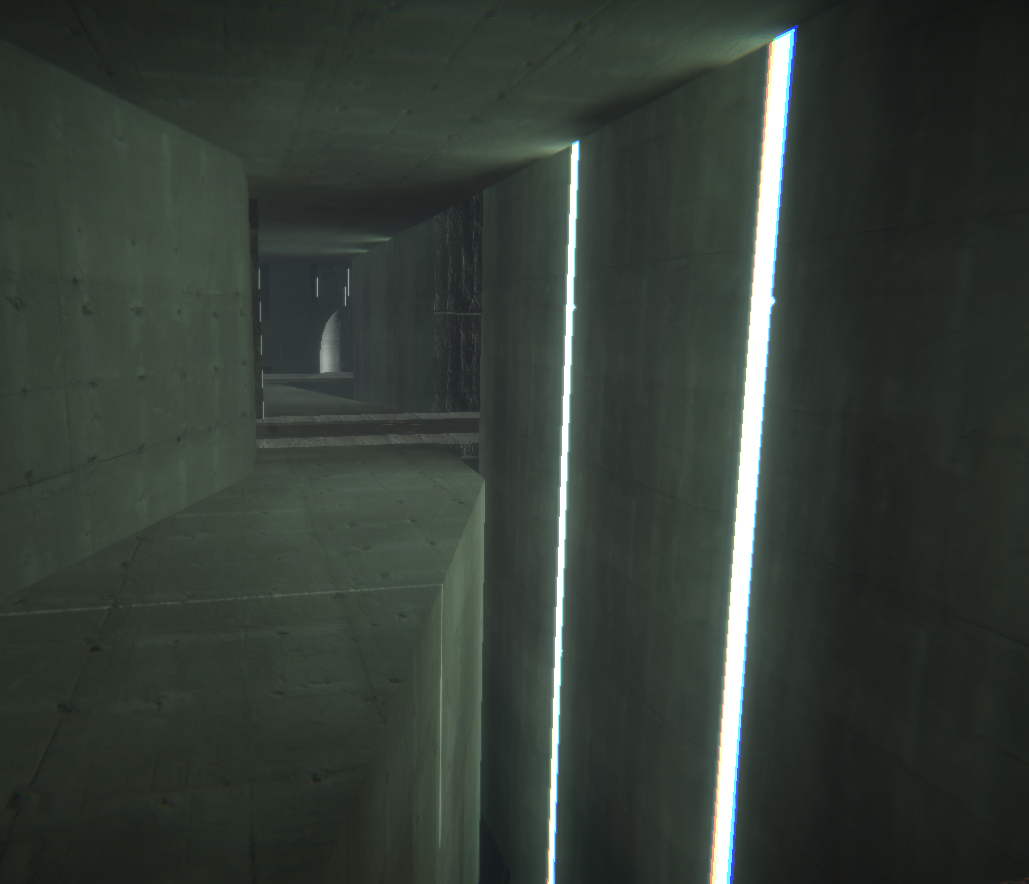
Red lower level · White main areas
Zones by temperature
Red marks the lower level, the riskier flank. White covers the main arena, where fights resolve. The switch in temperature tells the player where they are without ever leaving the first-person view.